
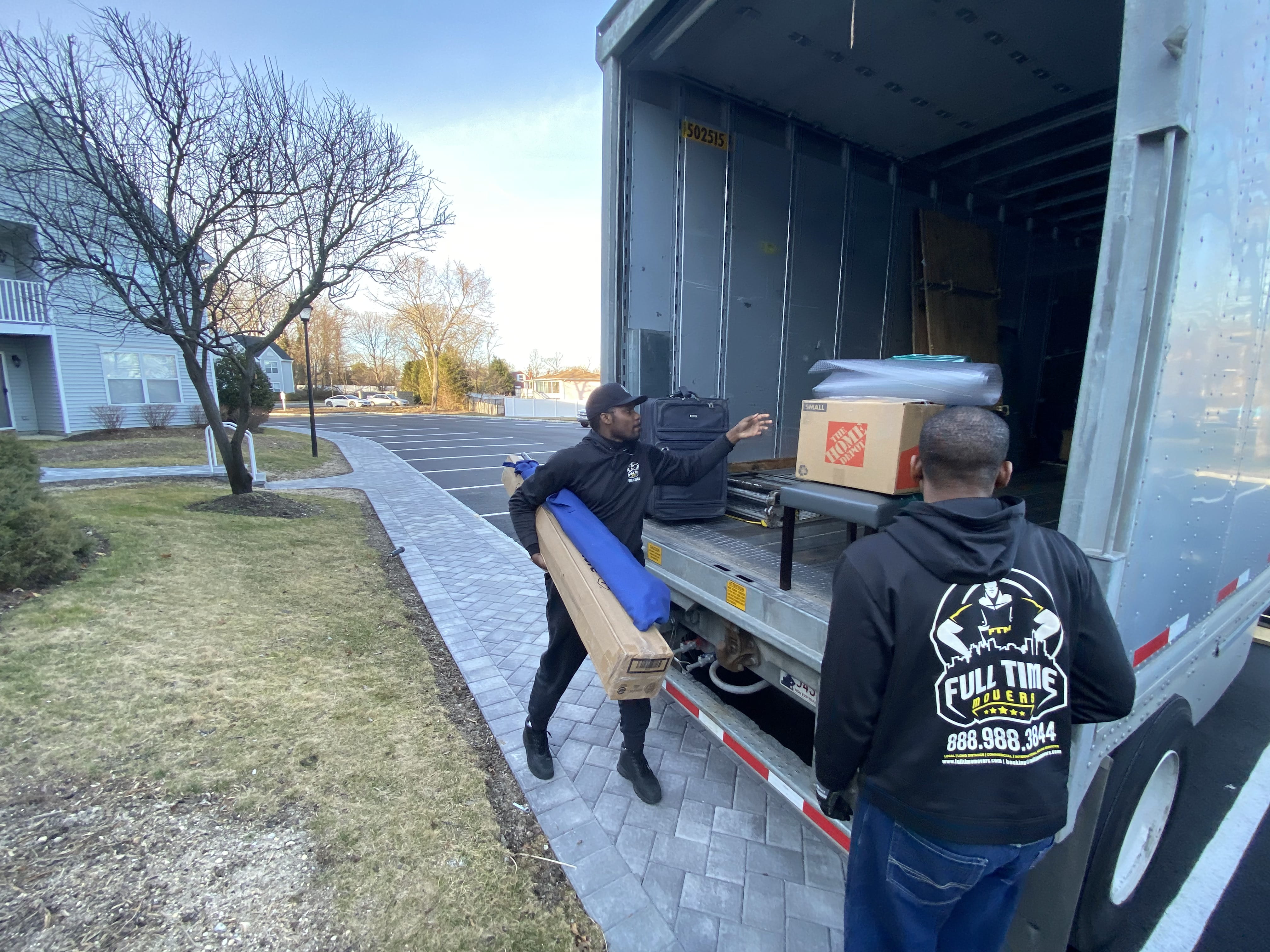
How to Load a Moving Truck to Reduce Shifting and Damage
Written by:
Full Time Movers Team
Published:
October 21, 2026
Plan your load, check the instructions for your vehicle, and learn what to discuss before loading day.
A loading plan should account for the truck’s limits, the size and weight of your belongings, and suitable ways to secure them. Check the vehicle provider’s instructions before deciding where each item should go.
Careful packing, loading, and securing can reduce the risk of shifting and damage. No loading method guarantees that nothing will move or break.
Plan the Load
Follow the vehicle provider’s loading instructions and weight limits. Keep heavier items low and plan a stable arrangement before adding lighter belongings. Do not use another item as a support unless it can safely bear the load.
Mattresses and Box Springs
Follow the mattress manufacturer’s transport instructions. The appropriate position and support depend on the mattress; do not assume every mattress should travel upright.
Dressers, Bookshelves, and Cabinets
Prepare drawers and doors according to the item’s instructions. Use protection suited to the finish and avoid applying adhesive directly to finished surfaces.
Gaps and Fragile Items
Use a stable loading plan and suitable furniture straps. Furniture pads and gap filling do not replace proper securement. Protect fragile boxes from heavier items and secure them in a suitable position.
Boxes: Heavy on the Bottom, Light on Top
Stack boxes by weight, not by size. Heavier boxes (books, tools, canned goods) go on the bottom, medium-weight boxes in the middle, and the lightest boxes (linens, lampshades, stuffed animals) go on top. Mixing this order means a light box gets crushed under something heavier, or a top-heavy stack tips over during a turn.
Stack boxes of similar size together when possible. Uniform stacks are more stable than a mix of large and small boxes thrown together.
Weight Distribution
Use the guidance for your specific truck, including its load limits and attachment points. Ask the vehicle provider if you are unsure how the load should be distributed.
Securing the Load
Use suitable furniture straps at the vehicle's approved attachment points. Follow the furniture strap and vehicle instructions. Confirm the load is secured before travel and keep the doorway stable so items do not fall when doors open.
Loading Mistakes to Avoid
Plan the load before starting. Use packaging and support suited to mirrors, artwork, and other fragile items. Avoid unstable stacks. A tightly filled space does not replace suitable furniture straps and proper securement.
Protecting the Items You Load
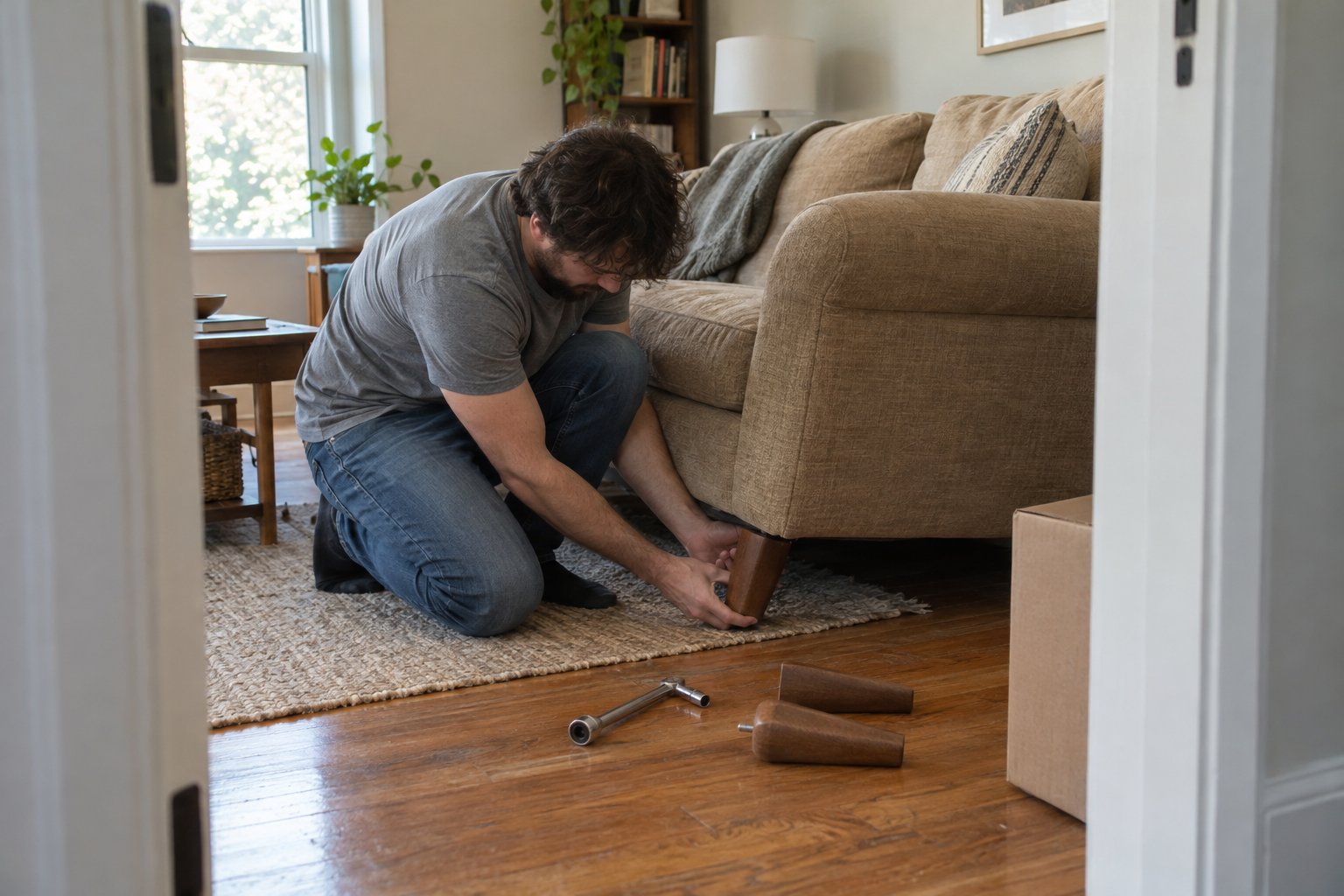
Choose furniture pads and furniture wrap suited to the item and finish. Keep packing tape off finished surfaces. Check the manufacturer's instructions before disassembly and organize hardware before loading. Our guides on protecting furniture and floors and preparing furniture for a move cover these steps in more detail.
Need Help Loading or Unloading?
If you have arranged a truck or portable container, ask Full Time Movers about Labor Professionals for loading or unloading. Tell us about the vehicle, items, access, and schedule so we can review the work you need.
Call 888-988-3885 or request a quote.
Frequently Asked Questions
How much weight can you put in the front of a moving truck?
Follow the load limits and weight-distribution instructions for the specific vehicle. Ask the truck provider if you are unsure; do not use a general percentage as a substitute for that guidance.
Should mattresses go on the bottom or top of a moving truck?
Follow the mattress manufacturer’s transport instructions and plan suitable support. There is no single loading position appropriate for every mattress.
How do you keep furniture from sliding in a moving truck?
Use a stable load arrangement and suitable furniture straps at approved attachment points. Follow the furniture strap and vehicle instructions. Furniture pads alone do not secure a load.
Do you load a moving truck front to back or back to front?
Plan the sequence around the vehicle provider’s instructions, weight distribution, and safe access for loading. Confirm the arrangement before starting.
Is it bad to leave empty space at the back of a moving truck near the doors?
The important issue is whether the load is secured and stable. Keep items from shifting or falling at the doors; do not fill a gap in a way that creates an unstable stack.



Ready for Your Next Move?
Moving within New Jersey or heading to another state? Full Time Movers handles residential, commercial, and long-distance moves from Jersey City and surrounding areas. Get in touch for a free moving quote.