
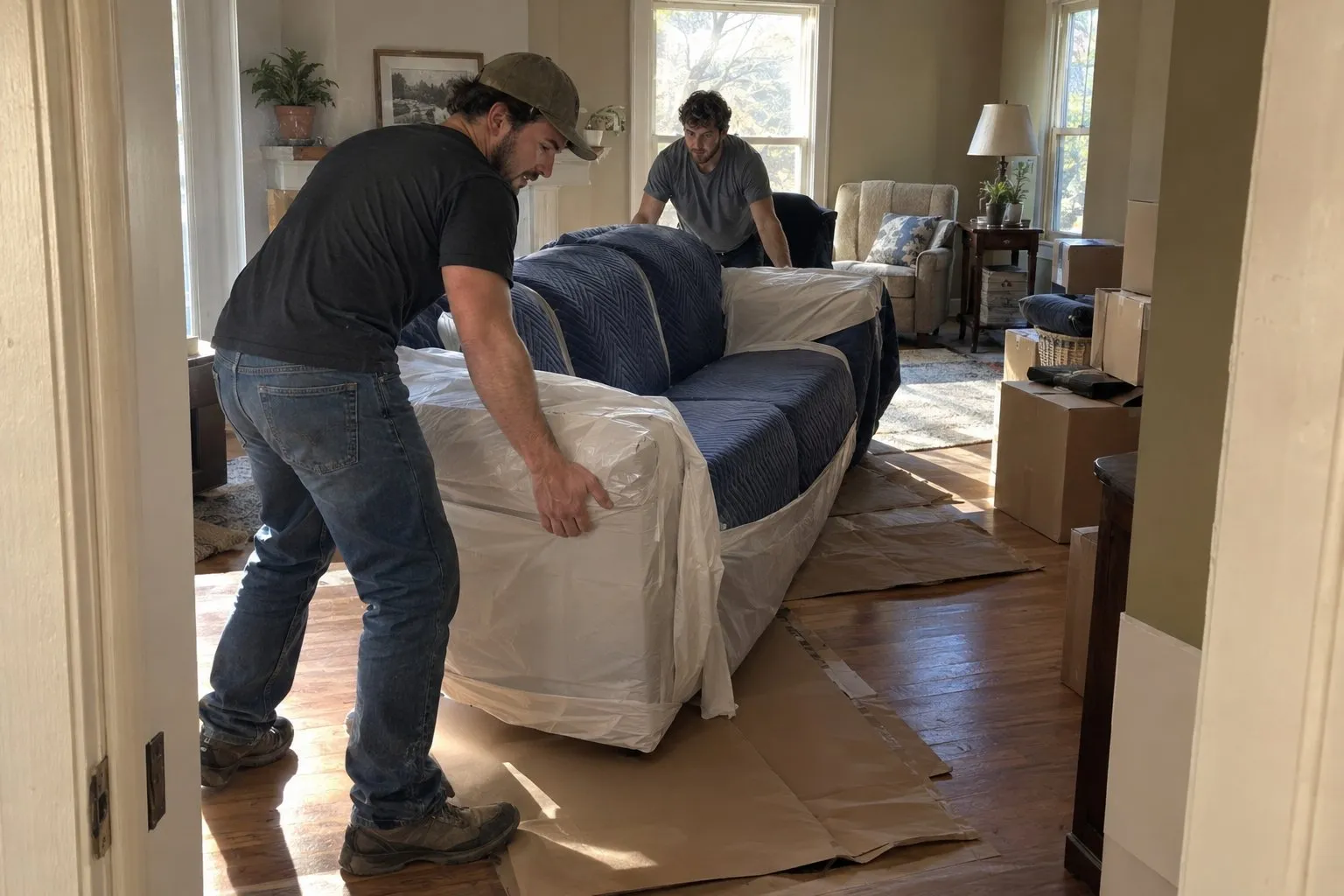
How to Protect Furniture and Floors When Moving Heavy Items
Written by:
Full Time Movers Team
Published:
October 20, 2026
Prepare furniture and walking routes for moving day, choose suitable protection, and discuss items or spaces that need extra care.
Before moving begins, look at the route your belongings will take. Doorways, corners, floors, and stairs each deserve attention, especially when an item is heavy or awkward to handle.
Protecting the Route
Choose protection suited to the furniture, flooring, and work involved. Keep routes clear and discuss tight spaces before moving large pieces. Tell Full Time Movers about the surfaces and belongings you are concerned about so we can review the requested preparation and what your quote includes.
Choosing Floor Protection
Use products intended for the particular flooring and activity, following their instructions. Check that coverings are suitable, secure, and do not obstruct a safe walking route. Ask for appropriate help when the item or route is beyond what you can manage safely.
Pay extra attention to thresholds and transitions between flooring types. These edges are where carts and dolly wheels most often catch, tip, or scrape.
Wrapping and Padding Furniture Correctly
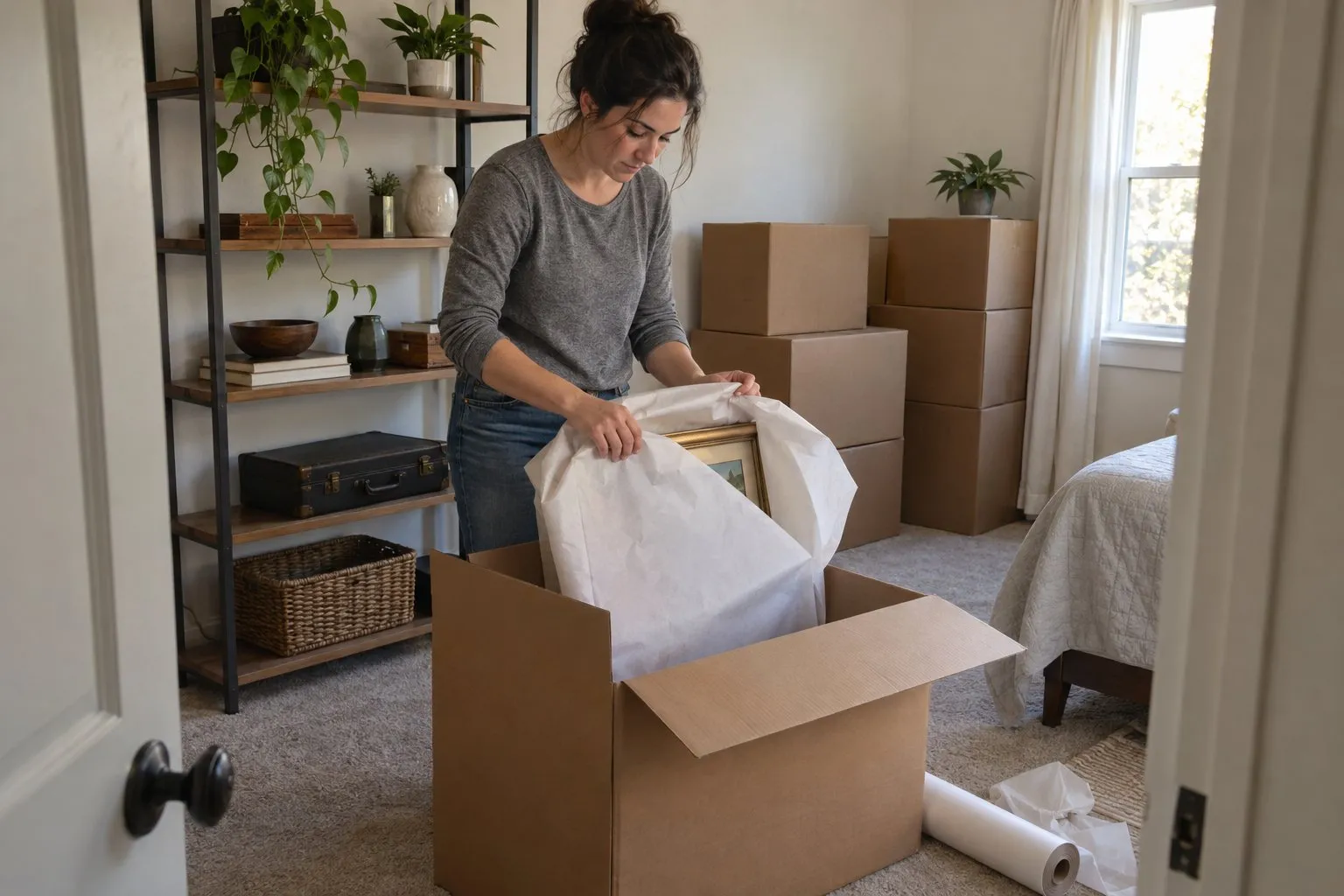
Furniture protection starts with padding corners, edges, and exposed wood or glass surfaces before the piece leaves the room. Furniture pads secured with furniture wrap or packing tape (never tape directly on the furniture finish) are commonly used for dressers, tables, and cabinets.
- Wood furniture: Cover with a furniture pad first, then furniture wrap over the pad to hold it in place without adhesive touching the finish.
- Glass tabletops and mirrors: Use corner protectors underneath the furniture pad and follow any manufacturer handling instructions.
- Upholstered furniture: Furniture wrap or a furniture pad keeps fabric clean and shields it from rain or dirt during loading.
- Metal and marble: These surfaces can scratch more easily than people expect; add padding at corners.
Preparing Bulky Furniture
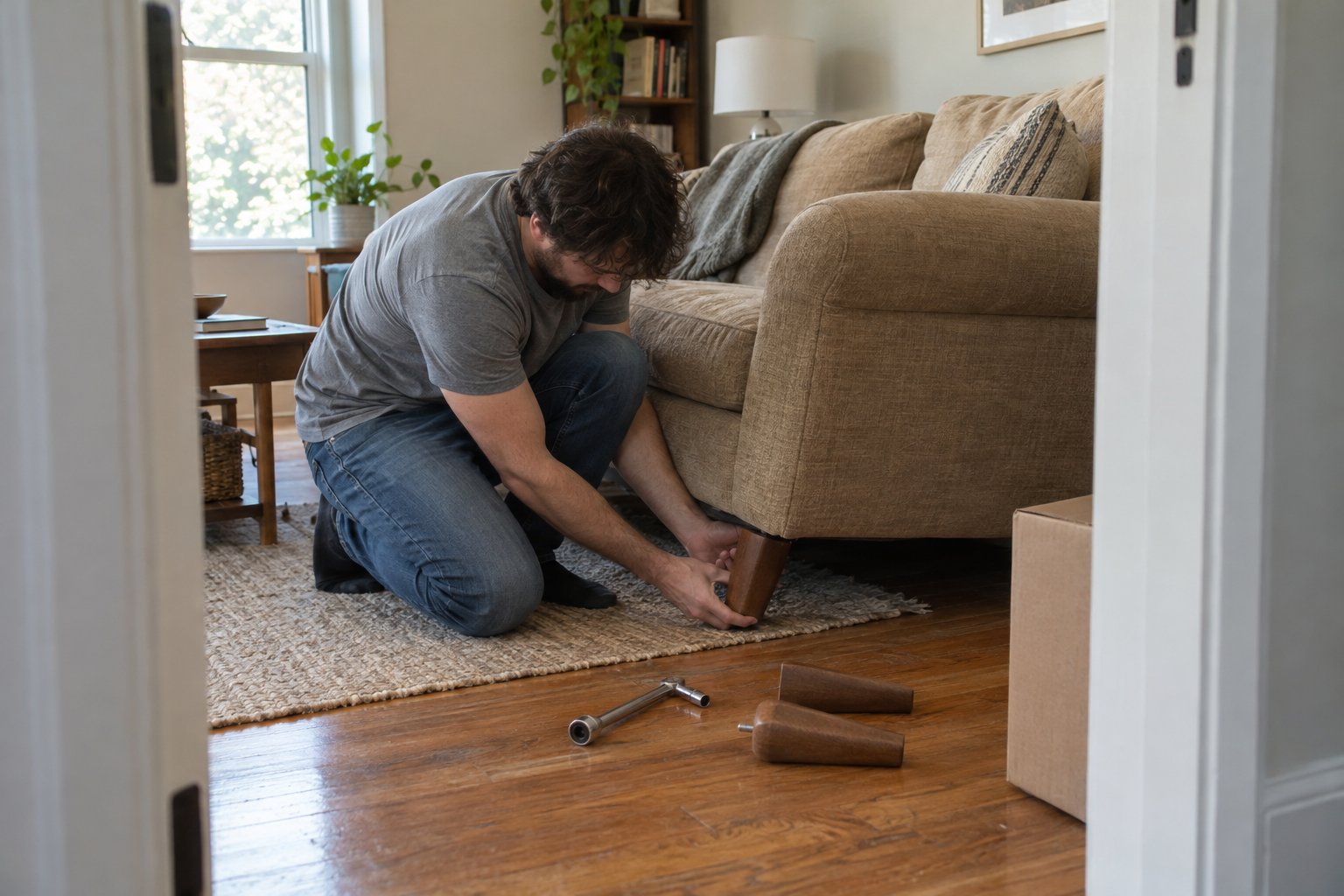
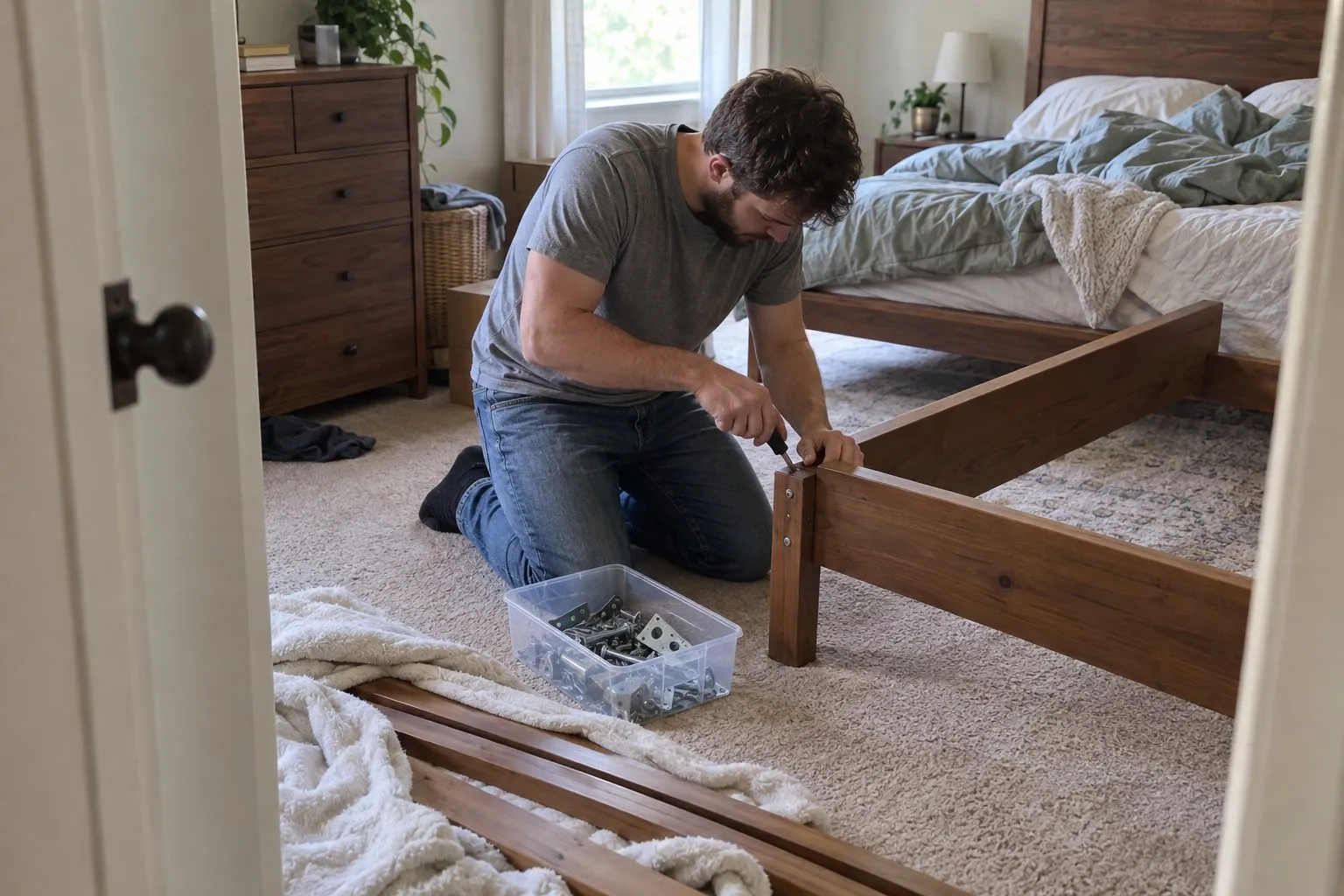
Check whether disassembly is suitable for the item before using it to address a tight route. Review the manufacturer’s instructions and the condition of the joints. Keep removed hardware in labeled bags stored in a secure container, and avoid placing adhesive directly on finished surfaces. Our guide on preparing furniture for a move covers hardware organization in more detail.
Protecting Walls, Doorways, and Stairwells
Walk the route before moving day and identify narrow doorways, stair turns, and other tight spaces. Select suitable protection and plan how the item will be handled before attempting the move. If access is uncertain, discuss the item and route with the people carrying out the work rather than forcing it through.
When to Bring in Professional Movers
If your move involves stairs, narrow hallways, or furniture that is difficult to handle, discuss the item and route before moving day. Ask what assistance and preparation would be appropriate for the job.
Tell Full Time Movers about the furniture and surfaces that need attention. Our Labor Professionals can review the requested work, and we will clarify which preparation, materials, and services your quote includes. Call 888-988-3885 or request a quote to discuss your move.
Frequently Asked Questions
What should I use to protect floors when moving heavy furniture?
Choose protection suited to your flooring and the work involved. Follow the flooring and protection-product instructions, and discuss any concerns before moving begins.
Can I slide furniture across the floor instead of carrying it?
Do not assume sliding is appropriate for the furniture or flooring. Use suitable equipment and help, and follow the instructions that apply to the item and surface.
Does carpet need floor protection during a move?
Review the route and the work involved, and choose suitable protection where needed. Keep the walking path clear and follow the relevant product instructions.
How do I protect furniture corners from getting damaged in a move?
Cover corners and edges with furniture pads secured with furniture wrap, and add foam corner protectors under the wrap for glass, marble, or finished wood pieces.
Is it worth disassembling furniture before a move?
That depends on the furniture and the access route. Disassembly may help when the item is designed for it, but should not be assumed appropriate for every piece. Ask for guidance if you are unsure.
Ready for Your Next Move?
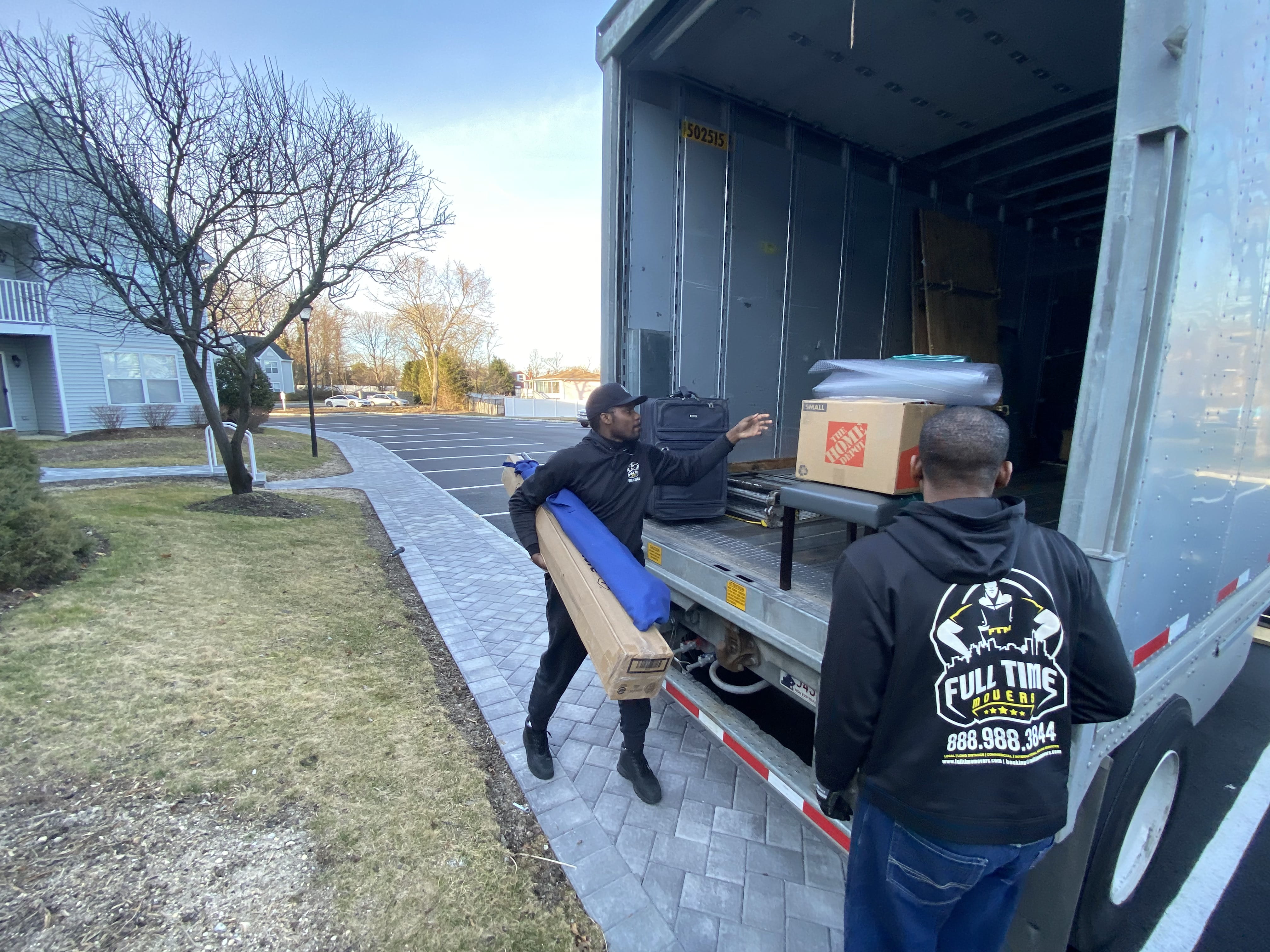
Moving within New Jersey or heading to another state? Full Time Movers handles residential, commercial, and long-distance moves from Jersey City and surrounding areas. Get in touch for a free moving quote.